DALLAS - FORT WORTH'S PREFERRED COMMERCIAL CLEANING COMPANY

Logistics & Airport Facility Cleaning in Dallas-Fort Worth

We Clean Airports & Logistics Facilities Too!

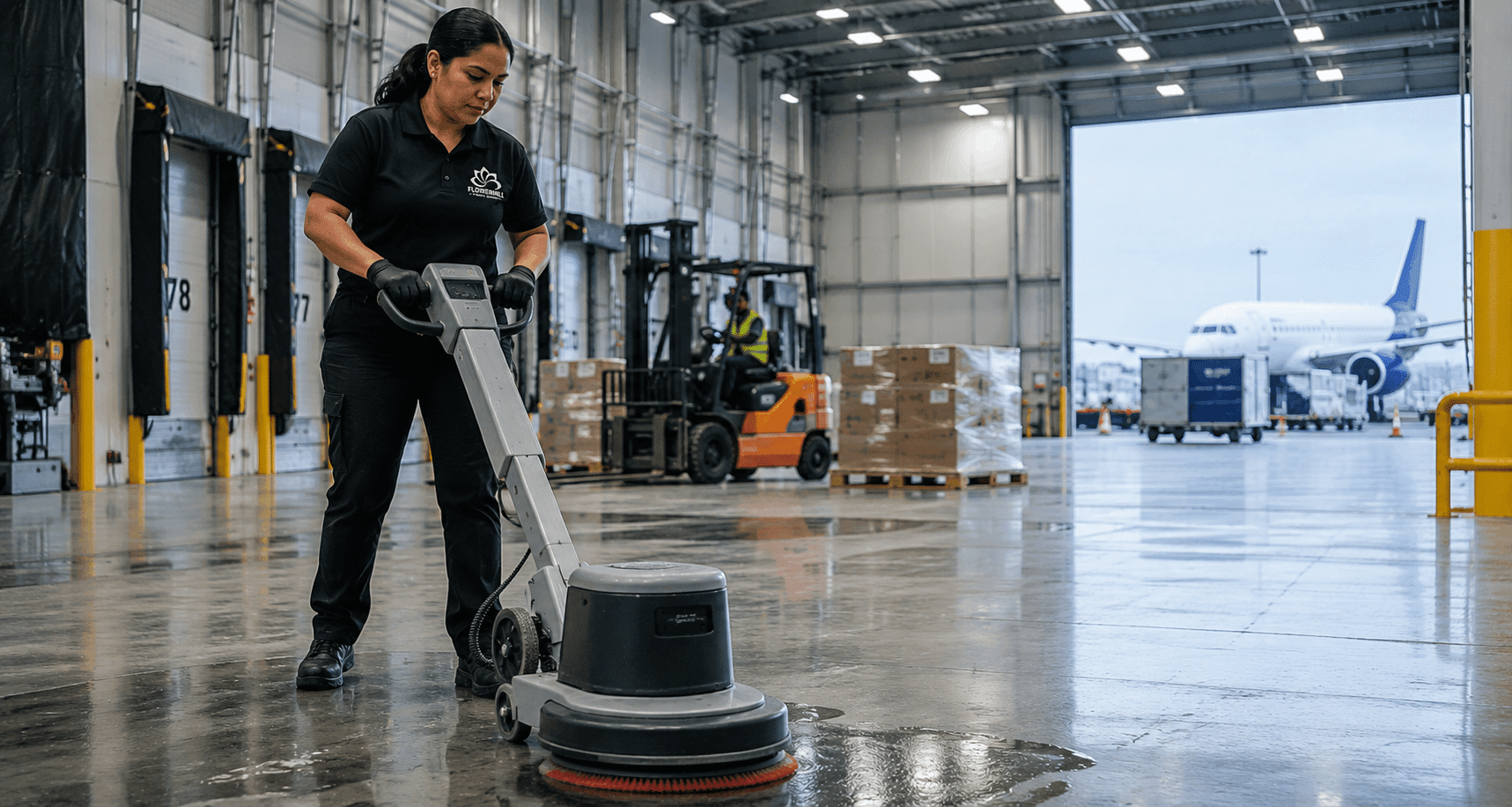
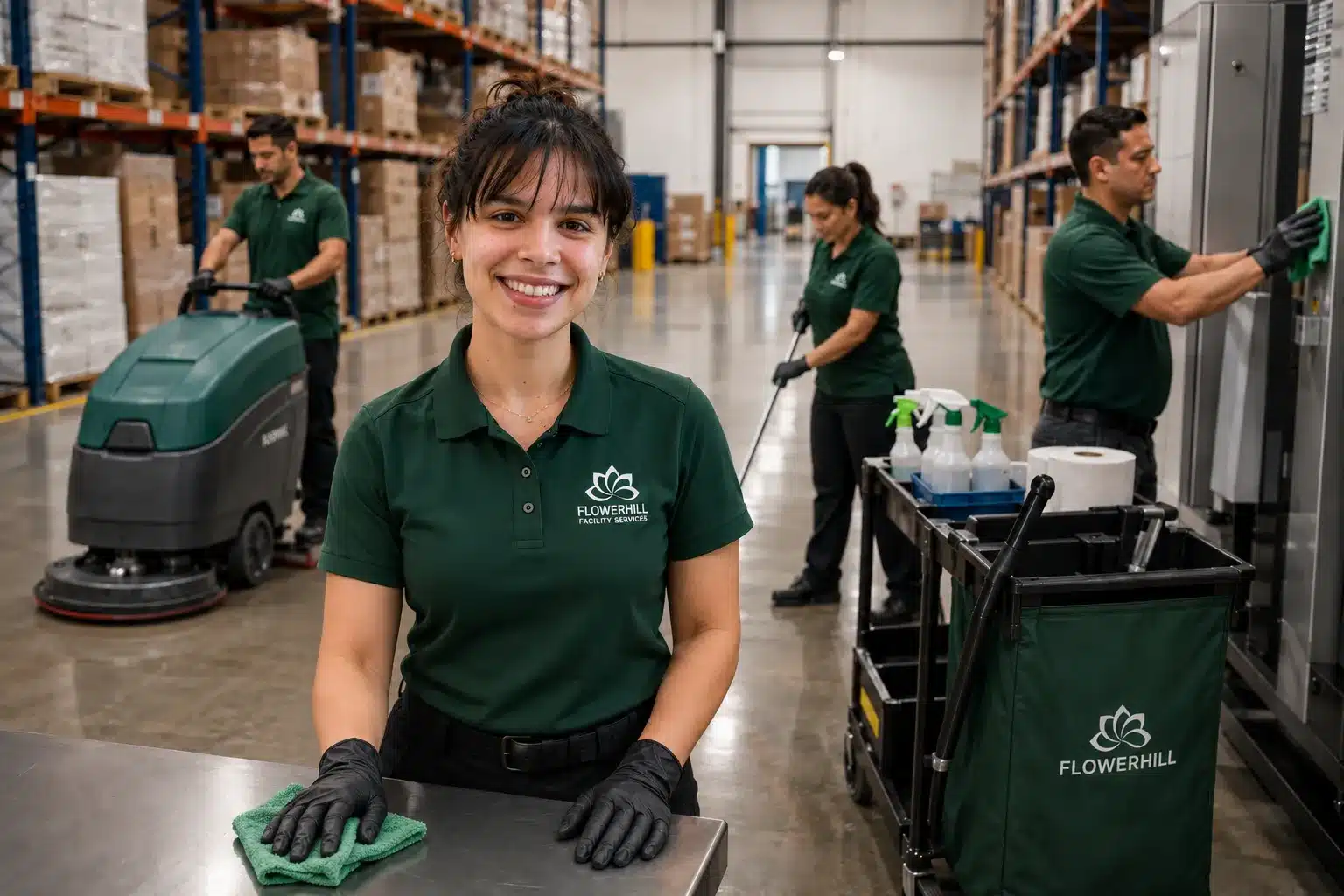
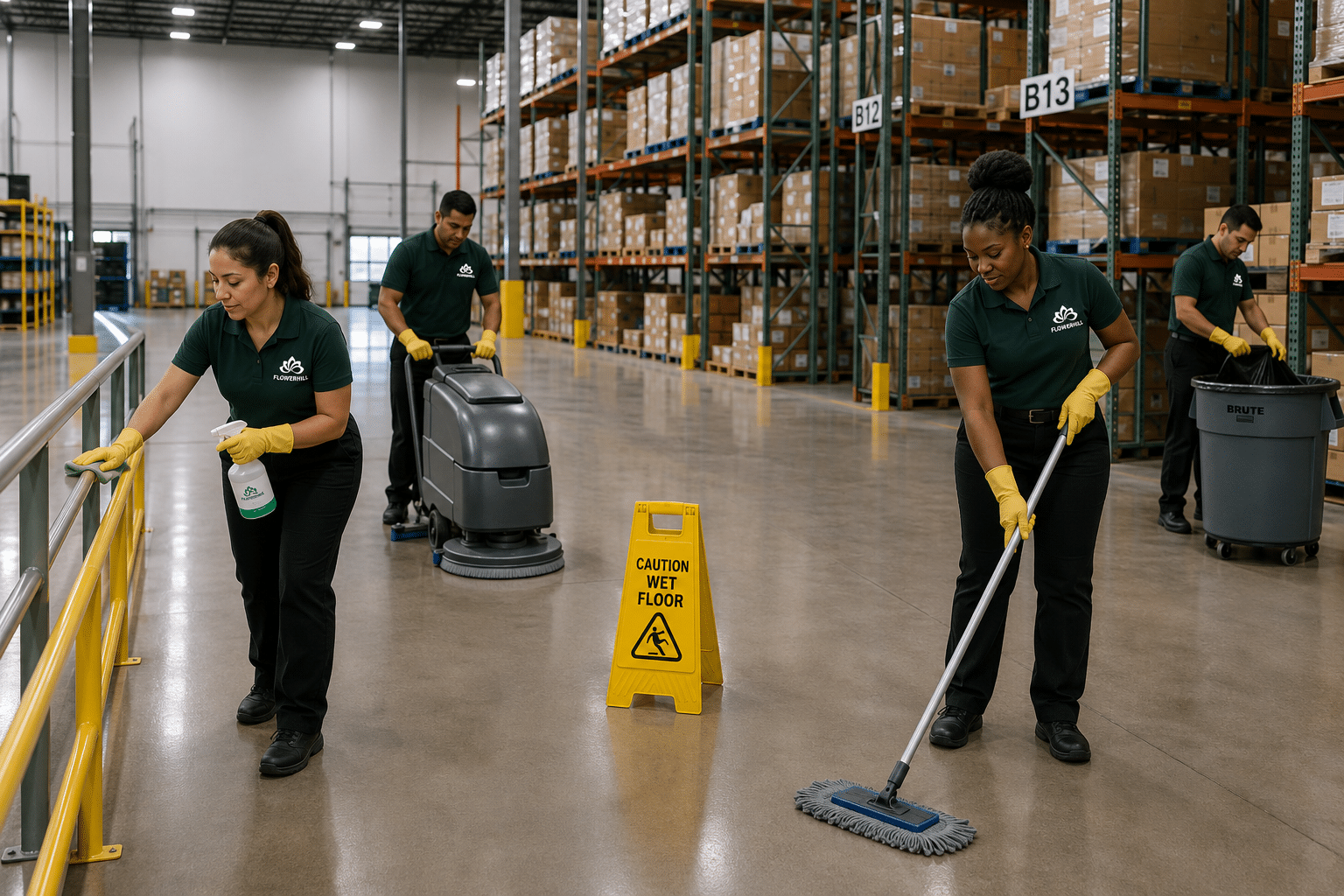
FlowerHill Facility Services provides customized commercial cleaning, janitorial, floor care, day porter, warehouse cleaning, and facility-support programs for logistics centers and approved airport-related facilities throughout Dallas-Fort Worth.

Logistics and aviation properties operate around transportation schedules, shipments, passengers, employees, vendors, equipment, vehicles, loading activity, security procedures, and rapidly changing facility conditions. Cleaning must be organized around those operations rather than treated as a standard office checklist.

FlowerHill develops each cleaning program around the property’s layout, hours of operation, traffic patterns, security requirements, flooring, cargo activity, employee count, loading schedules, public-facing areas, equipment boundaries, and site-specific procedures.

Whether your facility needs recurring janitorial service, warehouse floor scrubbing, daytime porter coverage, airport-office cleaning, cargo-building support, restroom maintenance, loading-area care, overnight service, or scheduled deep cleaning, FlowerHill can create a clearly documented scope for the areas under your responsibility.

What Are Logistics and Airport Facility Cleaning Services?

Logistics and airport facility cleaning includes recurring and project-based cleaning for properties that support transportation, warehousing, cargo movement, fulfillment, distribution, aviation, passenger service, and related administrative operations.

A customized service program may include:

  • Distribution-center cleaning
  • Fulfillment-center cleaning
  • Freight and cross-dock terminal cleaning
  • Air-cargo facility cleaning
  • Airport-adjacent warehouse cleaning
  • Airport administrative-office cleaning
  • Approved terminal and waiting-area cleaning
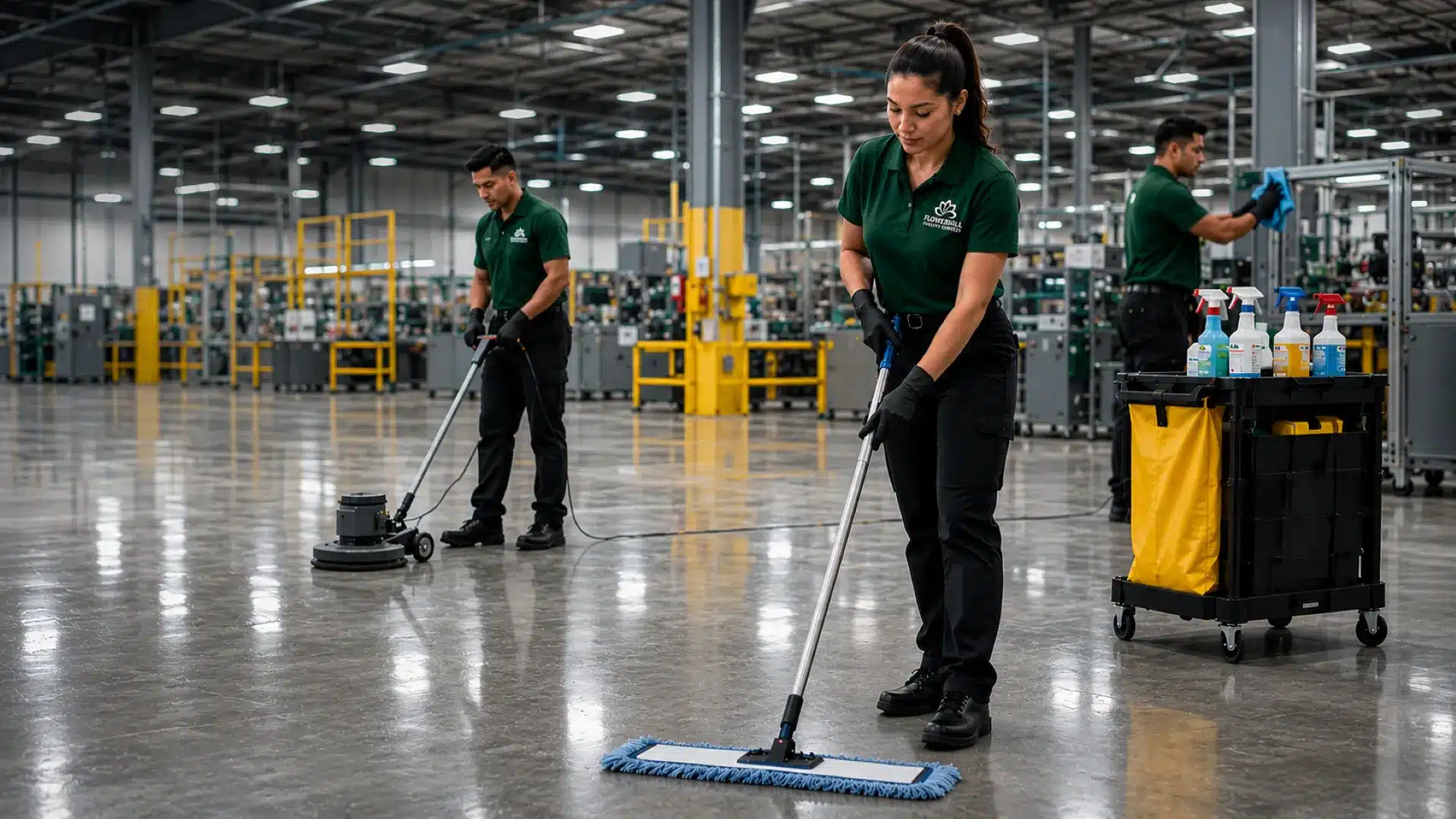
  • Warehouse sweeping and machine scrubbing
  • Loading dock and receiving-area care
  • Employee restroom and breakroom cleaning
  • Locker-room and changing-area service
  • Dispatch and operations-office cleaning
  • Interior glass and entrance cleaning
  • Day porter services
  • Waste and approved recycling collection
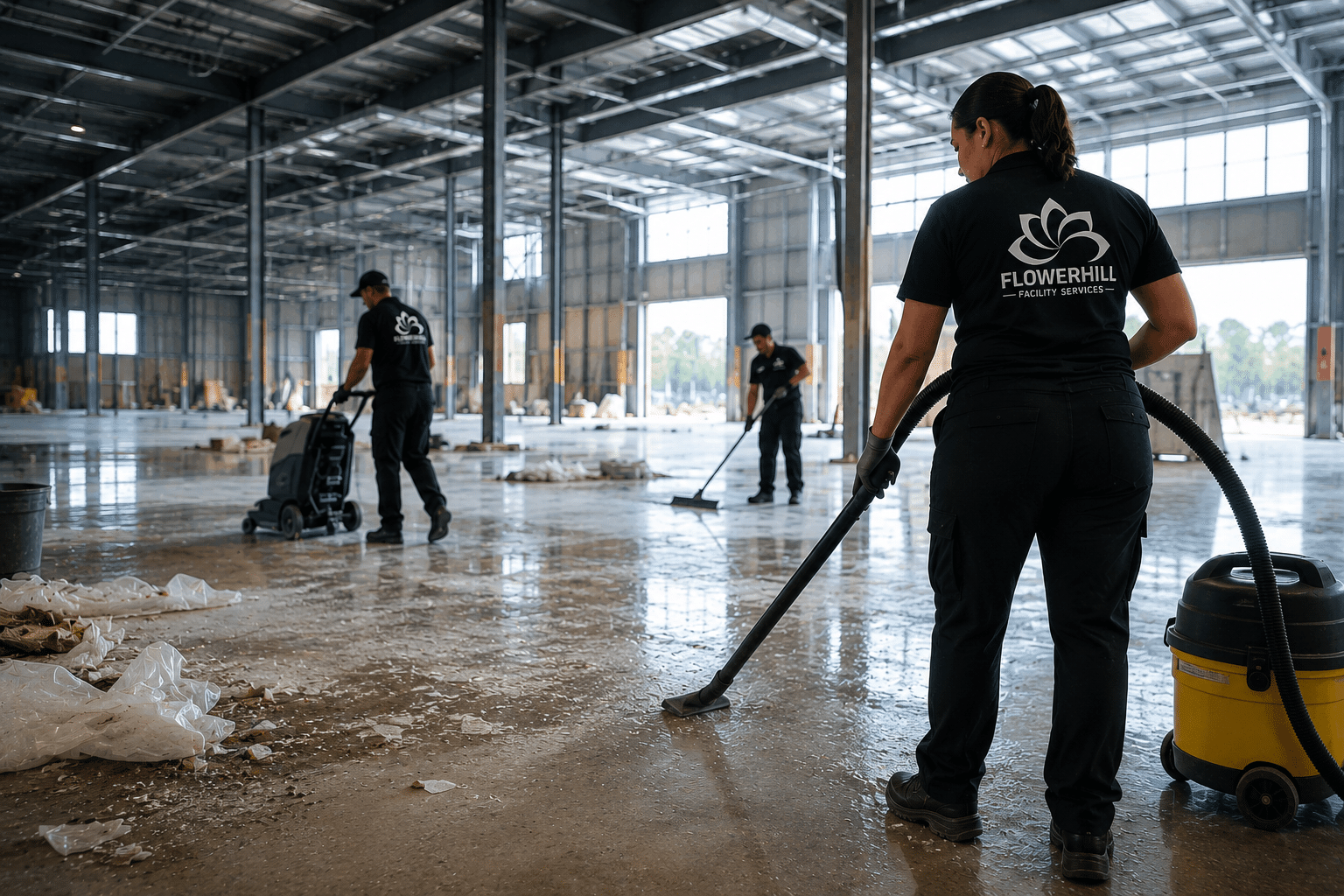
  • Post-construction and turnover cleaning
  • Scheduled deep-cleaning projects

Airport, cargo, warehouse, equipment, and secure-area responsibilities must be defined before service begins. FlowerHill only performs work within the approved cleaning zones, access conditions, training requirements, and operational boundaries established by the client and facility.

How Logistics Facility Cleaning Differs From Standard Warehouse Cleaning

A warehouse may primarily store products. A logistics facility is generally organized around the continuous movement, sorting, staging, transfer, fulfillment, or distribution of goods.

Logistics environments may include:

  • Frequent truck arrivals and departures
  • High-volume shipping and receiving
  • Cross-dock operations
  • Package sorting and conveyor systems
  • Picking and packing stations
  • Short-term staging areas
  • Forklift and pallet-jack traffic
  • Automated material-handling equipment
  • Multiple operating shifts
  • Seasonal volume increases
  • Employee, driver, carrier, and vendor traffic
  • Time-sensitive cargo or product movement

Cleaning must be coordinated around these workflows so personnel do not obstruct aisles, shipping deadlines, active docks, equipment paths, staged goods, or employee movement.

How Airport Facility Cleaning Differs From Ordinary Commercial Cleaning

Airport and aviation-support properties may combine public areas, offices, employee spaces, cargo buildings, transportation corridors, hangars, maintenance-support areas, baggage operations, security-controlled spaces, and continuously changing schedules.

Depending on the property and contract, airport-related cleaning may need to account for:

  • Airport-issued identification or access credentials
  • Secure, sterile, restricted, or escorted areas
  • Screening and access-control procedures
  • Passenger and employee traffic
  • Flight, cargo, tenant, and operating schedules
  • Restricted tools, products, or containers
  • Unattended-item reporting procedures
  • Baggage and cargo handling equipment
  • Ground-service equipment traffic
  • Public-facing presentation requirements
  • Continuous restroom and waste demands
  • Weather-related soil entering the facility

FlowerHill does not assume automatic access to secure airport areas. Work in controlled locations is subject to the client’s contract, airport authorization, credentialing, escort, screening, training, access, and supervision requirements.

Logistics and Transportation Facilities We Support

Distribution Centers

Distribution centers combine inventory storage with receiving, order processing, staging, loading, and outbound transportation.

Cleaning may include:

  • Warehouse aisle sweeping
  • Machine floor scrubbing
  • Packaging-debris collection
  • Pedestrian-path cleaning
  • Loading and receiving-area care
  • Employee restroom maintenance
  • Breakroom cleaning
  • Dispatch-office cleaning
  • Interior entrance and glass care
  • Approved waste and recycling support

Fulfillment Centers

Fulfillment properties may operate around high-volume picking, packing, labeling, sorting, returns processing, and shipment preparation.

FlowerHill can organize cleaning around:

  • Picking and packing shifts
  • Employee break schedules
  • Peak shipping periods
  • Packaging-debris accumulation
  • Conveyor and equipment boundaries
  • Returns-processing areas
  • Staging and dispatch zones
  • Restroom and breakroom demand
  • Office and training-room use
  • Seasonal staffing changes

Cross-Dock Facilities

Cross-dock buildings are designed for the rapid transfer of goods between incoming and outgoing transportation, often with limited long-term storage.

Approved services may include:

  • Cleaning pedestrian pathways
  • Removing loose packaging debris
  • Sweeping available dock-floor areas
  • Cleaning designated staging zones
  • Cleaning employee and driver areas
  • Maintaining restrooms and breakrooms
  • Cleaning dispatch and administrative offices
  • Supporting lower-volume cleanup windows

Cleaning should be scheduled around trailer movement, dock availability, pallet transfer, forklifts, loading equipment, and carrier schedules.

Freight and Trucking Terminals

Freight terminals may contain docks, offices, driver areas, dispatch rooms, warehouses, transfer zones, employee facilities, and vehicle-adjacent entrances.

Cleaning may include:

  • Dispatch and operations-office cleaning
  • Driver waiting-area cleaning
  • Restroom and shower cleaning
  • Breakroom maintenance
  • Dock and warehouse sweeping
  • Interior entrance care
  • General waste removal
  • Cleaning approved pedestrian routes
  • Cleaning administrative and training spaces

Last-Mile Delivery Hubs

Last-mile hubs may experience concentrated package, driver, vehicle, equipment, and employee activity during dispatch and return windows.

FlowerHill can schedule cleaning around:

  • Morning dispatch periods
  • Evening vehicle returns
  • Package-staging activity
  • Employee shift changes
  • Driver restrooms and break areas
  • Office and dispatch operations
  • Warehouse floor availability
  • Routine packaging-debris removal

Third-Party Logistics Facilities

Third-party logistics properties may serve multiple clients, products, service levels, security requirements, and inventory programs within one location.

A customized scope may divide cleaning according to:

  • Client-specific operating zones
  • Shared warehouse areas
  • Administrative offices
  • Employee common areas
  • Secure inventory spaces
  • Shipping and receiving zones
  • Temperature-controlled areas
  • High-volume and low-volume schedules

Courier and Parcel Facilities

Courier and parcel facilities may contain sorting belts, staging areas, route offices, driver entrances, scanning stations, package-handling zones, and employee facilities.

Routine cleaning may include approved floors, offices, restrooms, breakrooms, entrances, pedestrian paths, waste containers, and accessible nontechnical surfaces.

Cold-Chain Logistics Facilities

Cold-chain properties may include refrigerated warehouses, cooler rooms, freezer areas, staging zones, loading docks, employee transition areas, and administrative offices.

Cleaning plans may need to account for:

  • Room temperature
  • Condensation
  • Moisture restrictions
  • Ice and slip concerns
  • Product protection
  • Floor and wall materials
  • Required protective clothing
  • Approved chemicals
  • Drying time
  • Loading and receiving activity

Refrigeration equipment, product handling, defrosting, ice removal, food-contact sanitation, and technical cold-storage maintenance are not automatically included.

Transportation and Fleet Support Buildings

Transportation businesses may operate facilities containing dispatch offices, driver rooms, warehouses, training spaces, vehicle-support areas, storage, and employee amenities.

FlowerHill can develop scopes for approved indoor spaces without assuming responsibility for vehicle repair, fuel systems, hazardous fluids, mechanical work, or regulated waste.

Airport and Aviation-Related Facilities We May Support

Airport-related service is subject to property authorization, security requirements, access credentials, insurance, training, supervision, and the specific responsibilities assigned in the contract.

Airport Administrative Offices

Airport and aviation organizations may operate management, operations, tenant, scheduling, security, customer-service, training, and administrative offices.

Office cleaning may include:

  • Trash and approved recycling removal
  • Carpet vacuuming
  • Hard-floor cleaning
  • Accessible surface dusting
  • Conference-room cleaning
  • Interior glass care
  • Restroom and breakroom service
  • Reception-area cleaning
  • Cleaning approved high-touch surfaces

Air Cargo Buildings

Air-cargo facilities may contain receiving areas, storage, screening-support spaces, transfer zones, offices, loading access, employee areas, and cargo-handling equipment.

Approved cleaning may include:

  • Warehouse and cargo-floor sweeping
  • Machine floor scrubbing
  • Cleaning designated pedestrian routes
  • Removing approved packaging debris
  • Cleaning cargo-office areas
  • Restroom and breakroom cleaning
  • Cleaning approved loading areas
  • Interior entrance and glass cleaning
  • General waste and approved recycling support

Cargo, screening equipment, customs-controlled items, regulated shipments, dangerous goods, security systems, and cargo-handling machinery should only be handled by authorized personnel.

Fixed-Base Operator Facilities

Fixed-base operator properties may include passenger lounges, customer-service desks, flight-planning rooms, conference areas, crew lounges, offices, restrooms, hangar-support spaces, and exterior-facing entrances.

Cleaning may include:

  • Passenger and crew lounge cleaning
  • Interior glass care
  • Restroom cleaning and supply restocking
  • Carpet and hard-floor care
  • Customer-service-area cleaning
  • Breakroom and kitchenette service
  • Administrative-office cleaning
  • Approved hangar-floor cleaning
  • Waste removal

Airport Tenant and Concession Support Spaces

Airport tenants may operate offices, employee rooms, storage areas, service corridors, back-of-house spaces, receiving rooms, and administrative facilities.

FlowerHill can develop a tenant-specific scope when the tenant and airport have authorized the service area and access process.

Passenger Waiting and Public-Facing Areas

When included and authorized, cleaning for passenger or visitor areas may address:

  • Waiting-area floors
  • Approved seating surfaces
  • Interior glass
  • Trash and recycling containers
  • Restrooms
  • Public counters when authorized
  • Entry doors and vestibules
  • Approved high-touch surfaces
  • Visible litter and routine spills

Passenger property, unattended items, security equipment, screening lanes, operational displays, emergency systems, and restricted airport equipment should not be moved or handled outside established procedures.

Baggage-Claim and Arrival Support Areas

Approved public portions of baggage-claim and arrival areas may require recurring floor, seating, glass, waste, restroom, and visible-surface attention.

FlowerHill should not operate, enter, disassemble, or clean inside baggage systems, conveyor mechanisms, restricted baggage rooms, or guarded equipment unless those responsibilities are separately authorized and appropriately controlled.

Hangars and Aviation Support Buildings

Hangars may combine aircraft storage, maintenance activity, equipment, offices, lounges, parts storage, employee spaces, and large concrete floors.

Approved services may include:

  • General floor sweeping
  • Machine floor scrubbing
  • Cleaning marked pedestrian areas
  • Office and lounge cleaning
  • Restroom and breakroom service
  • Cleaning approved equipment exteriors
  • General waste removal
  • Interior entrance and glass care

Aircraft, avionics, engines, fuel systems, hydraulic systems, tools, maintenance projects, parts, batteries, regulated fluids, and technical equipment are outside routine janitorial service unless separately assigned to qualified personnel.

Rental-Car and Ground-Transportation Support Facilities

Airport-related transportation facilities may include customer areas, offices, employee rooms, service counters, storage, dispatch spaces, and maintenance-adjacent environments.

FlowerHill can clean approved indoor areas without assuming responsibility for vehicle detailing, automotive repair, fueling, oil disposal, battery handling, or hazardous-fluid response.

Areas We Clean Within Logistics Facilities

Warehouse and Distribution Floors

Warehouse floors can accumulate dust, outdoor soil, tire marks, packaging fragments, pallet debris, labels, shrink wrap, cardboard fibers, and general operational residue.

Approved floor cleaning may include:

  • Manual sweeping
  • Mechanical sweeping
  • Commercial vacuuming
  • Cleaning marked pedestrian aisles
  • Walk-behind floor scrubbing
  • Ride-on machine scrubbing
  • Routine spot cleaning
  • Cleaning accessible floor edges
  • Cleaning approved rack-base surroundings
  • Removing visible cobwebs
  • Reporting damaged or obstructed surfaces

The cleaning method should be selected according to floor construction, coatings, soil, equipment traffic, aisle width, inventory placement, available water, drainage, and drying requirements.

Loading Docks

Loading docks are active transition points involving trailers, forklifts, dock plates, pallets, employees, drivers, weather, and elevated edges.

Approved cleaning may include:

  • Sweeping available dock surfaces
  • Removing loose packaging debris
  • Cleaning marked pedestrian paths
  • Cleaning accessible dock-door surroundings
  • Maintaining approved staging areas
  • Cleaning around general waste stations
  • Supporting post-delivery cleanup
  • Reporting standing liquid or damaged surfaces

Cleaning should only occur when the assigned dock area is available and the facility’s trailer, forklift, traffic, edge-protection, and access procedures can be followed.

Shipping and Receiving Areas

Shipping and receiving zones may change throughout the day as products, containers, carriers, drivers, paperwork, equipment, and employees move through the facility.

Services may include:

  • Removing loose packaging debris
  • Sweeping accessible floor areas
  • Cleaning designated walkways
  • Emptying approved waste containers
  • Cleaning approved counters when cleared
  • Cleaning entrance doors and interior glass
  • Cleaning employee and driver waiting areas
  • Reporting recurring accumulation or damage

Picking, Packing, and Sortation Areas

Picking and packing areas may generate labels, paper, cardboard, plastic film, damaged packaging, and general debris during operating shifts.

Approved service may include:

  • Collecting loose packaging material
  • Cleaning designated floor areas
  • Emptying general waste and recycling containers
  • Cleaning approved workstation surroundings
  • Maintaining pedestrian access
  • Cleaning doors and partitions
  • Supporting scheduled area resets
  • Reporting unusual spills or equipment concerns

Customer products, labels, documents, scanners, computers, conveyors, controls, and active work materials should not be moved unless specifically authorized.

Returns-Processing Areas

Returns areas may contain opened packages, damaged packaging, product, labels, inspection stations, containers, and short-term staging.

FlowerHill can clean approved floors and general surfaces while leaving product evaluation, damaged merchandise, disposal decisions, data-bearing materials, and customer property to authorized facility personnel.

Dispatch and Operations Offices

Logistics offices may support scheduling, route management, transportation coordination, inventory systems, security, customer service, and communications.

Cleaning may include:

  • Trash and approved recycling removal
  • Carpet vacuuming
  • Hard-floor cleaning
  • Cleaning approved desks and common surfaces
  • Interior glass care
  • Conference-room cleaning
  • Restroom and breakroom service
  • Cleaning approved high-touch surfaces

Dispatch records, route documents, screens, radios, keys, badges, computers, shipping information, and operational controls should remain undisturbed.

Driver Waiting and Check-In Areas

Driver areas may experience frequent use, outdoor soil, paperwork, food waste, and changing visitor traffic.

Cleaning may include:

  • Floor cleaning
  • Waiting-area surface cleaning
  • Trash removal
  • Interior glass cleaning
  • Restroom maintenance
  • Vending-area surroundings
  • Entry-door cleaning
  • Routine visible spill response

Employee Restrooms

Logistics and airport-related properties may operate for extended hours or multiple shifts, producing sustained restroom demand.

Restroom service may include:

  • Cleaning toilets and urinals
  • Cleaning sinks, counters, and fixtures
  • Cleaning mirrors and partitions
  • Sweeping and mopping floors
  • Cleaning approved high-touch surfaces
  • Removing waste and sanitary products
  • Restocking toilet tissue
  • Restocking paper towels
  • Replenishing soap and approved consumables
  • Monitoring odor and presentation
  • Reporting leaks, clogs, or damage

Locker Rooms, Changing Areas, and Showers

Facilities with large workforces may provide lockers, changing areas, uniform spaces, showers, or hygiene-transition rooms.

Approved service may include:

  • Cleaning floors and walkways
  • Cleaning showers and approved walls
  • Cleaning sinks and fixtures
  • Cleaning mirrors and partitions
  • Cleaning benches
  • Cleaning approved locker exteriors
  • Removing waste
  • Restocking approved supplies
  • Reporting moisture, leaks, or damaged fixtures

Training and Conference Rooms

Logistics and aviation properties may use training rooms for onboarding, operational instruction, safety meetings, customer meetings, and employee development.

Cleaning may include:

  • Cleaning approved tables and seating
  • Removing trash
  • Vacuuming or mopping floors
  • Cleaning doors and interior glass
  • Cleaning approved touchpoints
  • Resetting furniture to an approved arrangement
  • Maintaining adjacent refreshment areas

Entrances, Lobbies, and Security-Desk Areas

Entrances may serve employees, applicants, drivers, vendors, passengers, customers, inspectors, and other visitors.

Approved cleaning may include:

  • Cleaning entrance glass and doors
  • Vacuuming mats
  • Sweeping and mopping hard floors
  • Cleaning approved reception surfaces
  • Maintaining waiting areas
  • Removing trash
  • Cleaning approved touchpoints
  • Monitoring visible presentation concerns

Security monitors, access controls, screening systems, radios, badges, keys, restricted records, emergency systems, and security equipment should not be moved or cleaned without authorization.

Waste and Recycling Areas

Logistics operations may generate cardboard, shrink wrap, labels, paper, packaging, pallets, general office waste, food waste, and tenant-specific materials.

Approved support may include:

  • Emptying general interior waste containers
  • Replacing liners
  • Collecting approved recycling
  • Breaking down authorized empty cardboard
  • Consolidating materials at designated points
  • Cleaning residue around approved containers
  • Removing loose litter
  • Reporting overflow or contamination concerns

Hazardous waste, dangerous goods, unknown liquids, damaged batteries, regulated shipments, fuel, oils, chemicals, pharmaceuticals, biohazards, compactors, balers, and product destruction require separate procedures.

Logistics Facility Floor Cleaning

Logistics properties may contain multiple flooring systems, including:

  • Sealed concrete
  • Polished concrete
  • Epoxy flooring
  • Resilient office flooring
  • Ceramic tile
  • Carpet
  • Entrance matting
  • Specialty flooring in controlled areas

FlowerHill can develop a floor-care plan based on the material, condition, traffic, soil, available cleaning window, drainage, equipment, and drying time.

Approved floor services may include:

  • Routine sweeping
  • Mechanical sweeping
  • Commercial vacuuming
  • Dust mopping
  • Damp mopping
  • Walk-behind machine scrubbing
  • Ride-on floor scrubbing
  • Routine non-hazardous spot cleaning
  • Carpet vacuuming
  • Scheduled carpet extraction
  • Entrance-mat maintenance
  • Periodic deep cleaning

Day Porter Services for Logistics and Airport Properties

Some transportation facilities need visible cleaning support throughout operating hours rather than relying entirely on overnight service.

A FlowerHill day porter may assist with:

  • Restroom inspections
  • Supply restocking
  • Breakroom upkeep
  • Lobby and waiting-area presentation
  • Entrance-glass cleaning
  • Waste and approved recycling removal
  • Routine non-hazardous spill response
  • Removing visible loose debris
  • Cleaning approved pedestrian routes
  • Conference-room resets
  • Driver and employee-area cleaning
  • Reporting visible facility concerns

Porter duties inside active docks, cargo areas, baggage zones, warehouses, security areas, or equipment paths must be specifically defined and coordinated with facility operations.

Cleaning for Multi-Shift and 24-Hour Operations

Logistics and aviation-support facilities may operate during one, two, or three shifts, and some remain active throughout the day and night.

FlowerHill can organize cleaning around:

  • Shift changes
  • Flight and cargo schedules
  • Dispatch periods
  • Truck arrivals and departures
  • Employee break schedules
  • Shipping deadlines
  • Lower-volume operating periods
  • Overnight service windows
  • Weekend access
  • Maintenance shutdowns
  • Seasonal shipping peaks
  • Weather-related disruptions

The property can be divided into cleaning zones so available areas are serviced without assuming that the entire facility will be accessible at one time.

Secure and Restricted Area Cleaning

Airport and transportation properties may contain areas that require credentials, escorts, inspections, screening, access logs, background requirements, tool controls, or special authorization.

Before FlowerHill accepts work within a controlled area, the parties should define:

  • Required airport or facility credentials
  • Background and onboarding requirements
  • Escort procedures
  • Permitted entrances and exits
  • Approved work hours
  • Restricted tools and products
  • Badge-display requirements
  • Access-control procedures
  • Photography and device restrictions
  • Unattended-item procedures
  • Security-incident reporting
  • Areas where personnel may not enter

FlowerHill does not claim TSA, FAA, airport, customs, airline, or cargo-security authorization unless the required approval has actually been obtained for the assigned personnel and location.

Cleaning Around Forklifts and Material-Handling Equipment

Logistics buildings may contain forklifts, pallet jacks, tuggers, automated carts, conveyors, sortation systems, lifts, dock equipment, and other moving machinery.

The cleaning plan should define:

  • Pedestrian cleaning routes
  • Equipment traffic routes
  • Restricted operating zones
  • Approved cleaning windows
  • Required visibility equipment
  • Floor-drying controls
  • Communication with facility supervisors
  • Procedures for blocking or closing work areas
  • Stop-work conditions

FlowerHill personnel should not drive forklifts, pallet jacks, tugs, ground-service equipment, airport vehicles, or client machinery unless those duties are separately authorized and assigned to trained and qualified personnel.

Cleaning Around Conveyors, Sortation, and Baggage Systems

Conveyor and automated handling systems may contain belts, rollers, gears, chains, electrical components, pinch points, controls, sensors, and stored energy.

Approved routine service may include surrounding floors and specifically identified exterior surfaces.

Before cleaning near equipment, the facility should define:

  • Whether equipment must be shut down
  • Who controls hazardous energy
  • Which surfaces FlowerHill may clean
  • Which products and tools are authorized
  • Whether guards or panels may be removed
  • Who verifies the equipment condition
  • Who restores the system to service

FlowerHill personnel should not enter, operate, disassemble, restart, repair, or clean inside conveyor, baggage, sortation, screening, or automated systems as part of routine janitorial service.

Routine Logistics Cleaning vs. Specialized Aviation Work

Routine logistics cleaning may include warehouse floors, offices, restrooms, breakrooms, entrances, driver areas, loading surroundings, waste, and approved operational spaces.

Airport-support cleaning may include approved public, administrative, tenant, cargo, lounge, hangar-support, employee, and passenger areas where access has been authorized.

Day porter service provides ongoing cleaning support during operating hours.

Project cleaning may include floor restoration, post-construction cleaning, move-in service, deep cleaning, or scheduled attention to hard-to-access areas.

Specialized aviation work may include aircraft cleaning, ramp work, airfield work, fuel-spill response, baggage-system maintenance, security-equipment cleaning, dangerous-goods response, or technical aviation maintenance requiring separate qualifications and authorization.

What Logistics and Airport Cleaning Does Not Automatically Include

The following services are not automatically included in a routine cleaning agreement:

  • Aircraft cabin or aircraft exterior cleaning
  • Aircraft maintenance or detailing
  • Ramp, runway, taxiway, or apron operations
  • Operating airport vehicles or ground-service equipment
  • Operating forklifts or powered pallet jacks
  • Moving loaded pallets or cargo
  • Handling passenger baggage
  • Handling freight, regulated cargo, or dangerous goods
  • Operating screening or security equipment
  • Cleaning inside baggage or conveyor systems
  • Entering secure areas without authorization
  • Fuel, hydraulic-fluid, or hazardous-chemical response
  • Deicing-fluid cleanup
  • Biohazard or sewage remediation
  • Confined-space entry
  • Combustible-dust remediation
  • Electrical or mechanical maintenance
  • Wastewater-system operation
  • Hazardous-waste transportation or disposal
  • Guaranteed TSA, FAA, OSHA, customs, airline, or airport compliance

These responsibilities require separate evaluation, authorization, training, procedures, insurance, equipment, supervision, and contractual assignment.

Cleaning Programs Built Around Your Operation

No two logistics or airport-related facilities operate with the same traffic, equipment, security, cargo, staffing, floors, schedules, or service expectations.

Before preparing a cleaning proposal, FlowerHill evaluates:

  • Facility type and operating function
  • Total cleanable square footage
  • Number of buildings and service zones
  • Operating hours and shifts
  • Shipping, cargo, passenger, or tenant schedules
  • Warehouse and dock activity
  • Equipment and traffic routes
  • Secure and restricted areas
  • Badging and access requirements
  • Flooring materials and condition
  • Employee and public-area use
  • Restroom and breakroom demand
  • Waste and recycling responsibilities
  • Cleaning-product restrictions
  • Day porter needs
  • Post-construction or project requirements
  • Current facility condition

The resulting scope identifies the authorized areas, tasks, frequencies, service windows, staffing, equipment, products, access procedures, exclusions, communication process, and pricing.

Why DFW Logistics and Aviation Facilities Choose FlowerHill

Customized Operational Cleaning Plans

Each scope is developed around the facility’s traffic, cargo, employees, public areas, schedules, floors, loading activity, and operational responsibilities.

Flexible Day, Night, and Multi-Shift Service

Cleaning can be scheduled during daytime operations, shift changes, evenings, overnight periods, weekends, lower-volume windows, or approved shutdowns.

Warehouse and Commercial Cleaning in One Program

FlowerHill can coordinate warehouse floor care with offices, restrooms, breakrooms, entrances, training rooms, dispatch spaces, and public-facing areas.

Clearly Defined Access and Safety Boundaries

The scope identifies approved cleaning zones, restricted equipment, access requirements, traffic concerns, spill boundaries, and excluded technical responsibilities.

Scalable Facility Support

Programs can support smaller transportation properties, large distribution facilities, multi-building logistics campuses, cargo operations, flex facilities, and airport-related support buildings.

Day Porter and High-Traffic Support

Porter programs can provide ongoing restroom, entrance, waste, breakroom, waiting-area, and general presentation support throughout operating hours.

Responsive Local Communication

Facility contacts have a defined process for reporting concerns, requesting projects, adjusting schedules, communicating access changes, and reviewing service performance.

Local, Woman-Owned Leadership

As a woman-owned North Texas company, FlowerHill combines local accountability with the structure needed to support demanding commercial and operational facilities throughout Dallas-Fort Worth.

Our Logistics and Airport Facility Cleaning Process

1. Controlled Facility Walkthrough

FlowerHill tours the approved warehouse, cargo, office, public, employee, loading, and support areas with the designated facility representative.

2. Operational and Access Review

We discuss schedules, equipment traffic, loading activity, security, badges, escorts, restricted areas, floors, employee demand, waste procedures, and existing cleaning concerns.

3. Customized Scope of Work

FlowerHill prepares a proposed plan defining service areas, tasks, frequencies, staffing, schedule, products, equipment, documentation, exclusions, and pricing.

4. Security and Safety Coordination

The facility and FlowerHill confirm access credentials, approved entrances, security procedures, restricted tools, equipment routes, required personal protective equipment, spill boundaries, emergency contacts, and stop-work conditions.

5. Personnel Orientation

Assigned personnel are oriented to authorized areas, cleaning routes, access procedures, traffic patterns, equipment boundaries, communication requirements, and prohibited activities.

6. Scheduled Cleaning Service

FlowerHill completes approved tasks according to the documented scope and facility schedule.

7. Inspection and Reporting

Completed work, visible concerns, access issues, recurring debris, supply needs, damaged surfaces, and requested corrections may be communicated to the designated facility contact.

8. Ongoing Program Adjustments

The plan can be updated as operating schedules, shipping volume, cargo responsibilities, tenants, security procedures, staffing, equipment, or facility priorities change.

How Often Should Logistics and Airport Facilities Be Cleaned?

The appropriate frequency depends on operating hours, workforce size, passenger or visitor traffic, shipping volume, cargo activity, facility layout, floor condition, weather, and presentation requirements.

Restrooms, entrances, waiting areas, breakrooms, and employee spaces may require daily or repeated service throughout each shift.

Warehouse floors may need routine sweeping, scheduled machine scrubbing, or continuous attention in designated high-volume zones.

Loading areas, shipping zones, driver facilities, and waste stations may require service after delivery peaks, shift changes, or scheduled operating windows.

Carpet extraction, high dusting, deep cleaning, post-construction work, and large floor projects may follow monthly, quarterly, seasonal, or project-specific schedules.

An on-site walkthrough allows FlowerHill to recommend different frequencies for the distinct areas of the facility.

What Determines Logistics and Airport Cleaning Pricing?

Pricing is based on the labor, supervision, equipment, access procedures, cleaning products, service frequency, and operational coordination required for the approved scope.

Pricing factors may include:

  • Total cleanable square footage
  • Type of logistics or airport-related facility
  • Number of buildings and service zones
  • Office-to-warehouse ratio
  • Operating hours and number of shifts
  • Cleaning frequency
  • Passenger, employee, driver, or visitor traffic
  • Shipping, cargo, fulfillment, or dock activity
  • Flooring materials and condition
  • Required sweeping or scrubbing equipment
  • Number of restrooms and breakrooms
  • Day porter staffing
  • Secure-area access requirements
  • Badging, screening, escort, or onboarding requirements
  • Required personal protective equipment
  • Waste and recycling responsibilities
  • Overnight or weekend access
  • Post-construction and project cleaning
  • Current facility condition

A controlled facility walkthrough is the most reliable way to define responsibilities and prepare an accurate cleaning proposal.

Logistics and Airport Facility Cleaning Service Areas

FlowerHill Facility Services supports logistics centers, distribution facilities, air-cargo properties, airport-adjacent buildings, transportation facilities, warehouses, fulfillment centers, freight terminals, and approved aviation-support properties throughout Fort Worth, Dallas, Arlington, Grand Prairie, Irving, Coppell, Carrollton, Alliance, Roanoke, Denton, Grapevine, Flower Mound, Bedford, Hurst, North Richland Hills, Colleyville, Southlake, Keller, Westlake, Frisco, Plano, McKinney, Richardson, Addison, The Colony, and surrounding North Texas communities.

Frequently Asked Questions

What does logistics facility cleaning include?

Services may include warehouse floors, loading surroundings, shipping and receiving areas, offices, driver areas, restrooms, breakrooms, entrances, waste collection, interior glass, day porter support, and other authorized facility areas.

What types of logistics facilities does FlowerHill clean?

Potential properties include distribution centers, fulfillment facilities, cross-dock terminals, third-party logistics buildings, parcel hubs, freight terminals, cold-storage facilities, airport-adjacent warehouses, and transportation-support buildings.

Does FlowerHill clean airport facilities?

FlowerHill may provide cleaning for authorized airport-related offices, cargo buildings, tenant spaces, fixed-base operator facilities, passenger-support areas, hangars, lounges, employee areas, and other approved spaces when access and contractual requirements can be satisfied.

Can FlowerHill clean secure airport areas?

Secure-area service depends on the airport, client, contract, access credentials, background requirements, escorts, training, screening, insurance, and authorization provided for the assigned personnel.

Does FlowerHill provide aircraft cleaning?

Aircraft cabin, exterior, cockpit, engine, avionics, fueling, and maintenance cleaning are not automatically included in ordinary facility janitorial service.

Can FlowerHill clean while our logistics facility is operating?

Yes, when approved cleaning zones, equipment routes, loading activity, pedestrian paths, service windows, and safety procedures have been established.

Can service be performed overnight?

Yes. Cleaning may be coordinated during daytime operations, shift changes, evening hours, overnight periods, weekends, or lower-volume operating windows.

Do you provide warehouse floor scrubbing?

Walk-behind or ride-on floor scrubbing may be included when the floor, aisle width, inventory layout, traffic, available water, drainage, and drying schedule are suitable.

Do you clean loading docks?

Approved dock cleaning may include sweeping, loose-debris removal, pedestrian-route cleaning, dock-door surroundings, waste-station care, and scheduled post-delivery cleanup.

Can FlowerHill operate forklifts or move pallets?

Routine cleaning does not include forklift operation, powered pallet-jack use, cargo movement, or moving loaded pallets unless those responsibilities are separately authorized and assigned to qualified personnel.

Can FlowerHill clean around conveyors and baggage systems?

Approved surrounding floors and specified exterior surfaces may be included. Internal, energized, guarded, mechanical, electrical, screening, conveyor, sortation, and baggage-system components require separate procedures.

Do you provide day porter service?

Yes. A day porter may support restrooms, waiting areas, employee spaces, entrances, glass, waste removal, routine non-hazardous spills, and approved operational areas.

Can you clean air-cargo facilities?

Potentially. The scope may include authorized cargo-building floors, offices, employee facilities, loading areas, entrances, and general surfaces. Cargo, screening systems, dangerous goods, and secure materials remain under authorized facility control.

Do you clean refrigerated logistics facilities?

FlowerHill may provide approved cleaning in refrigerated or temperature-controlled properties after evaluating temperature, moisture, flooring, product protection, personal protective equipment, chemicals, and access conditions.

Do you handle fuel or hazardous chemical spills?

Routine cleaning does not automatically include fuel, hydraulic fluid, dangerous goods, deicing chemicals, batteries, hazardous materials, biohazards, or unknown substances.

Can FlowerHill support multiple shifts?

Yes. Service plans can be developed for one-shift, multi-shift, overnight, weekend, and continuous operations.

Do you provide post-construction cleaning?

Approved services may include construction-dust removal, office and employee-area cleaning, interior glass, warehouse sweeping, floor scrubbing, loading-area cleanup, and final presentation cleaning.

Can FlowerHill guarantee TSA, FAA, OSHA, or airport compliance?

No contractor should guarantee a facility’s overall regulatory compliance. FlowerHill performs its authorized scope within the procedures, access requirements, and safety program established for the property.

How do we receive a logistics or airport facility cleaning proposal?

Begin with a controlled facility walkthrough. FlowerHill will review the property layout, operating schedule, warehouse and cargo activity, public and employee areas, floors, equipment routes, access requirements, security procedures, service priorities, and current facility condition before preparing a customized proposal.

Build a Cleaning Program Around Your Transportation Operation

Your facility needs a cleaning program that supports the movement of people, products, freight, cargo, and vehicles without creating unnecessary disruption or unclear operational responsibilities.

FlowerHill Facility Services develops customized logistics cleaning, warehouse floor care, janitorial, day porter, airport-support, post-construction, office, restroom, and facility-maintenance programs throughout Dallas-Fort Worth.

Request a logistics or airport facility walkthrough to discuss your buildings, operations, cleaning priorities, access requirements, schedule, security procedures, and ongoing facility needs.