DALLAS - FORT WORTH'S PREFERRED COMMERCIAL CLEANING COMPANY

Retail Center Cleaning Services in Dallas-Fort Worth

Retail Properties Require Consistent, Daily Attention

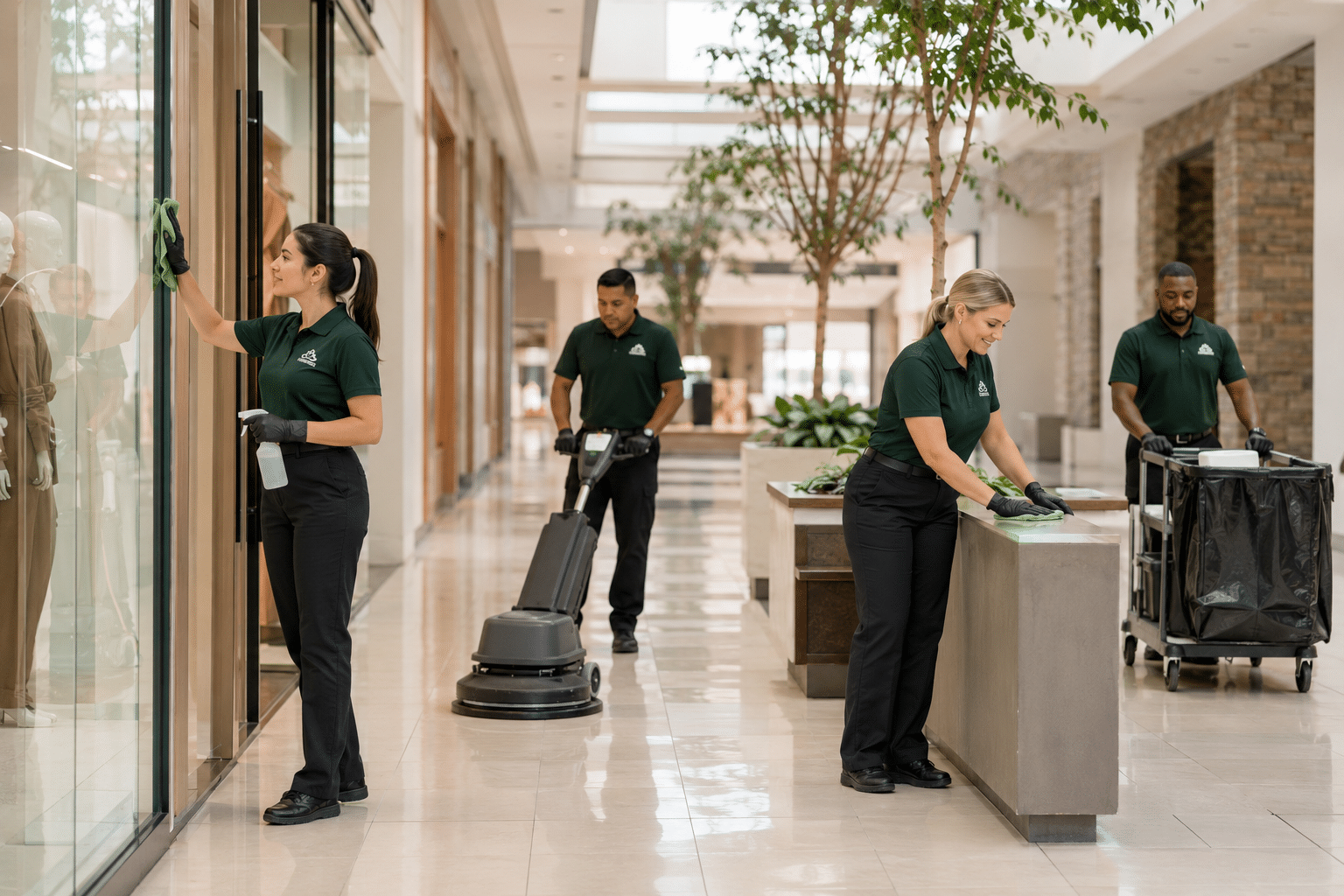
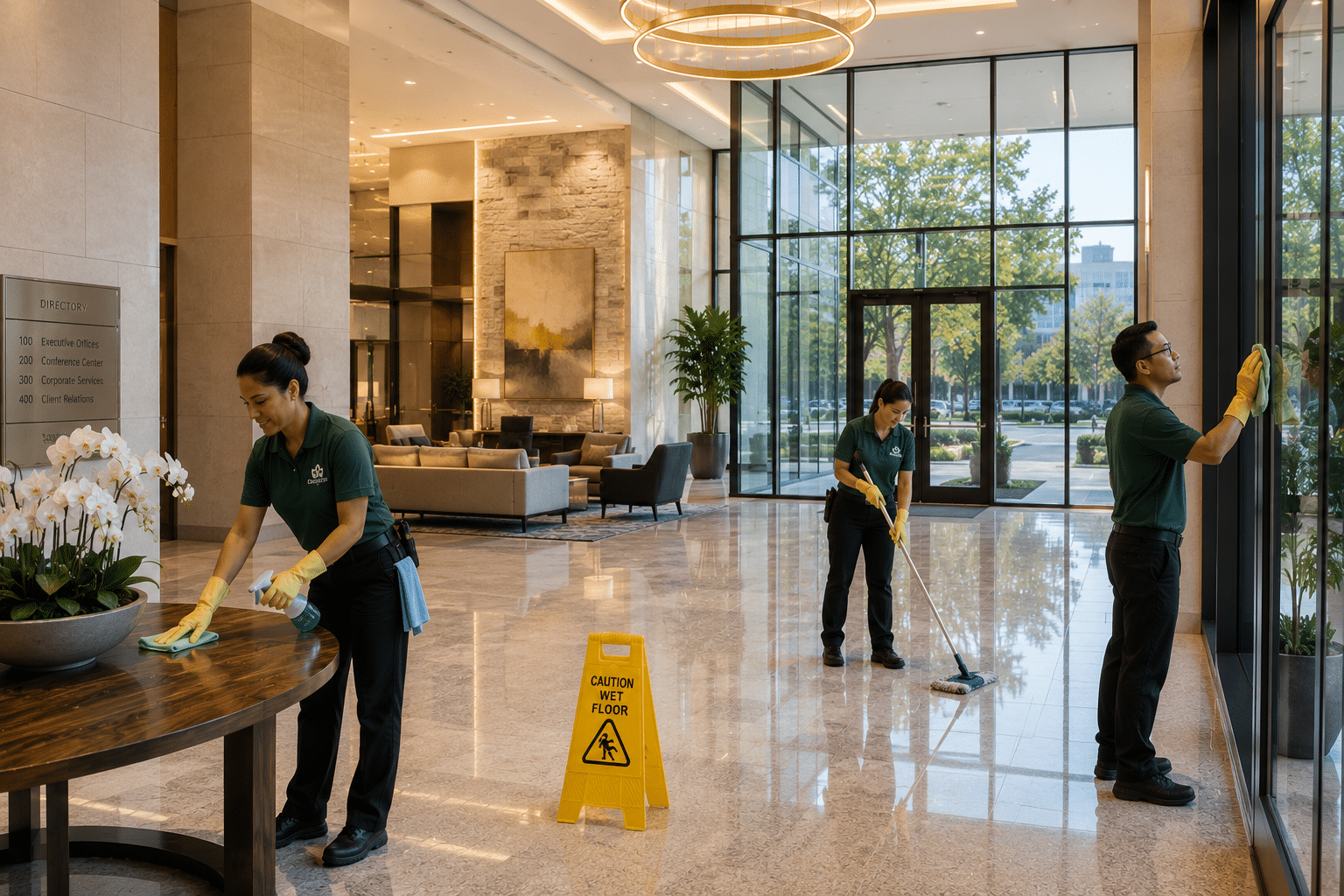
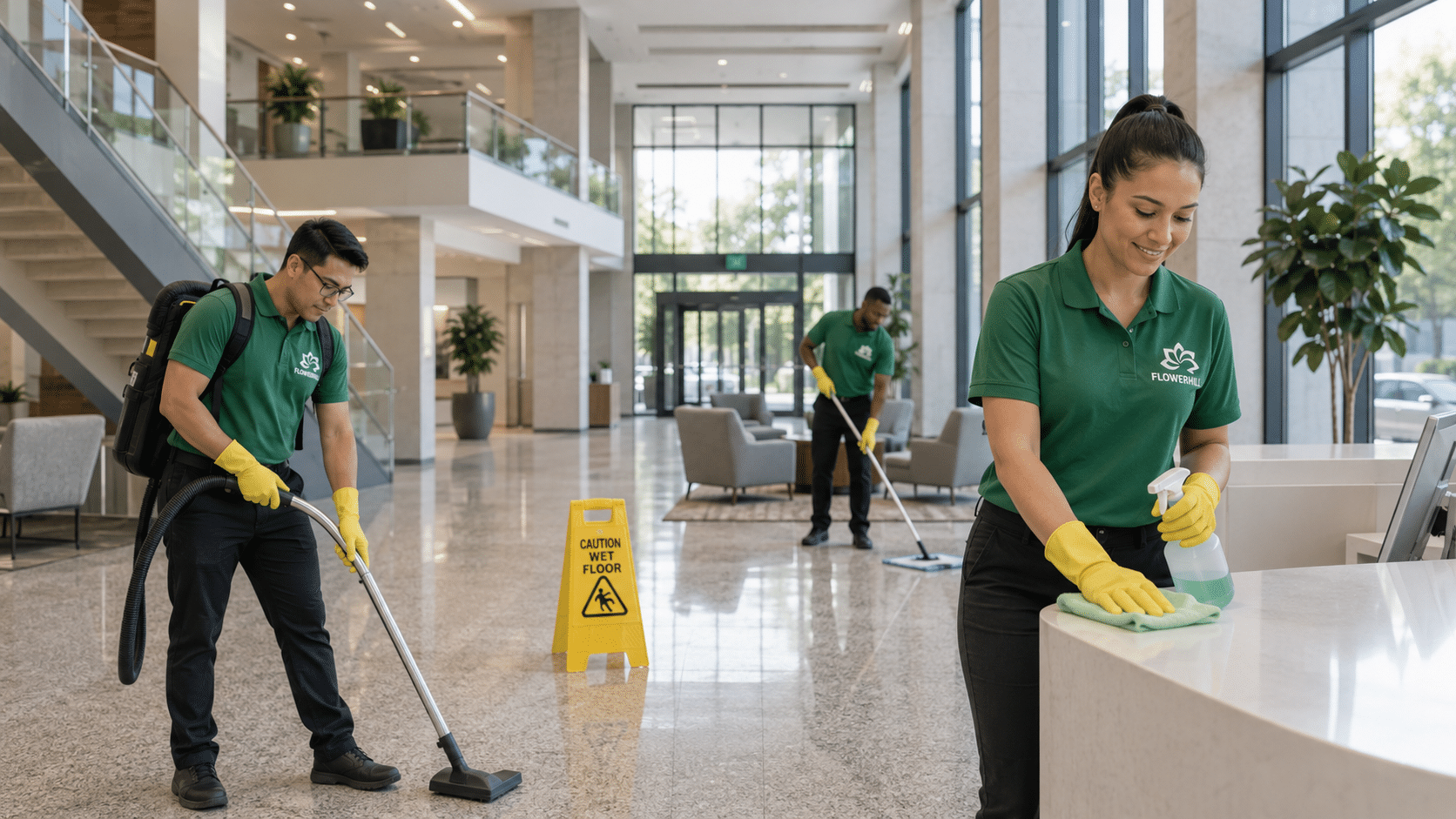
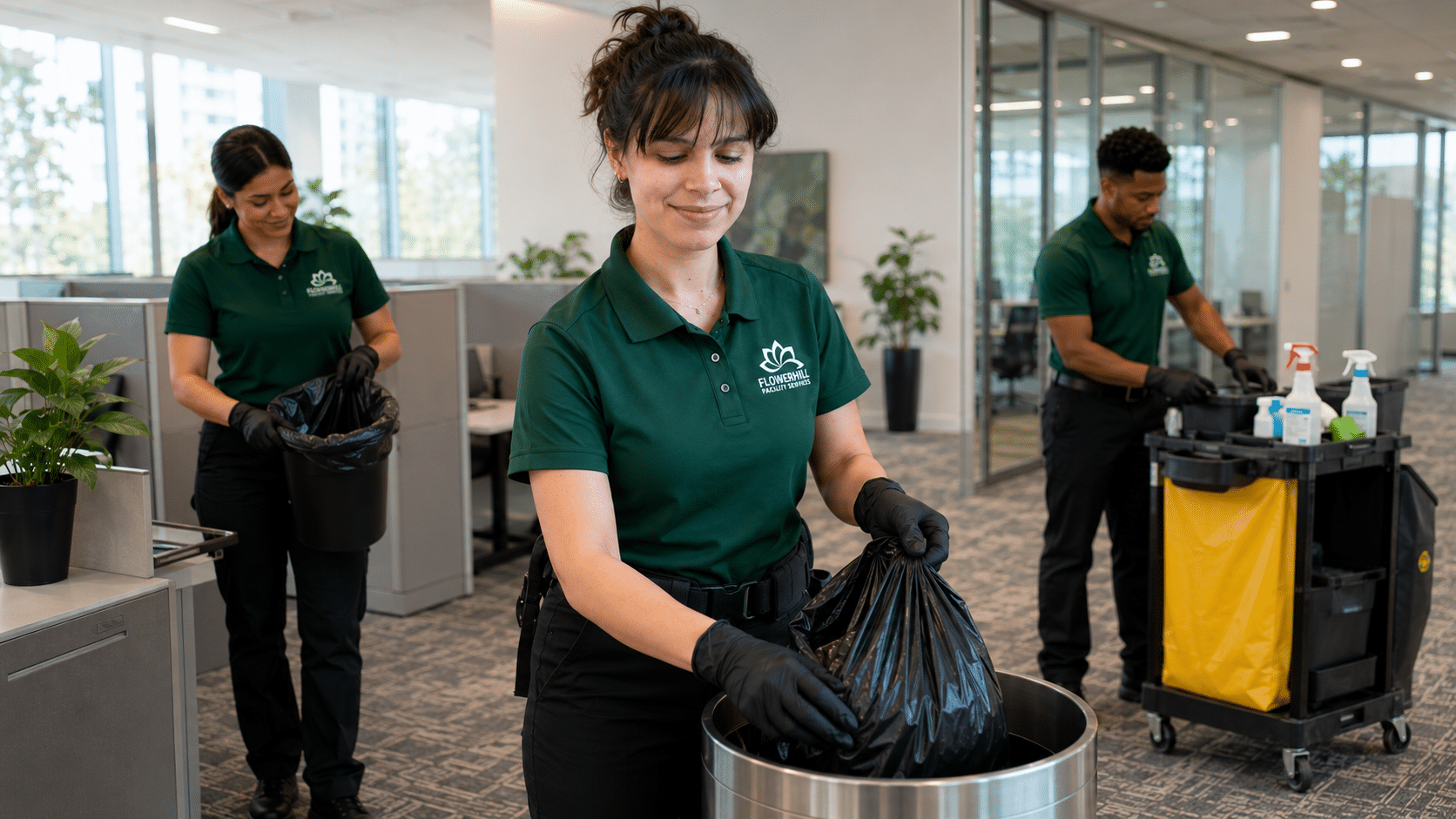
FlowerHill Facility Services provides customized commercial cleaning, janitorial, day porter, floor care, and facility-support services for retail centers, shopping plazas, lifestyle developments, mixed-use properties, grocery-anchored centers, outlet properties, and other customer-facing commercial environments throughout Dallas-Fort Worth.

Retail properties require consistent attention throughout the day. Customer traffic, deliveries, weather, food service, public restrooms, storefront activity, waste, seasonal promotions, and tenant operations can quickly affect the appearance and condition of shared spaces.

FlowerHill develops each cleaning program around the property’s size, tenant mix, operating hours, traffic patterns, common areas, public amenities, exterior responsibilities, and property-management standards.

Whether your property needs recurring janitorial service, visible daytime porter coverage, restroom monitoring, sidewalk care, food-court cleaning, floor maintenance, tenant-turnover service, or special-event support, our team creates a clearly defined plan designed to keep the center clean, orderly, and ready for customers.

What Are Retail Center Cleaning Services?

Retail center cleaning services provide recurring and project-based care for the shared interior, exterior, public, tenant-support, and property-management areas of a shopping property.

A customized program may include common-area cleaning, public restroom service, entrance and sidewalk care, storefront glass cleaning, waste removal, food-court upkeep, floor maintenance, daytime porter coverage, spill response, interior corridor cleaning, exterior litter collection, and approved facility-support tasks.

Unlike a traditional office, a retail center remains active while customers, employees, deliveries, contractors, and tenant teams move continuously through the property. Cleaning must therefore be coordinated around operating hours, customer experience, tenant access, public safety, and the center’s daily traffic patterns.

Why Retail Properties Need Specialized Cleaning Programs

Retail properties contain multiple environments operating under one management structure. The cleaning demands of a public restroom, food court, storefront entrance, loading area, management office, parking structure, and outdoor pedestrian plaza are not the same.

A comprehensive retail cleaning program may need to account for:

  • Continuous customer and employee traffic
  • Multiple tenant operating schedules
  • Public restrooms and family facilities
  • Food courts and dining areas
  • Storefront glass and customer-facing entrances
  • Interior corridors, breezeways, and common areas
  • Sidewalks, plazas, and exterior gathering spaces
  • Elevators, stairwells, and escalator surroundings
  • Parking areas and garages
  • Large waste and recycling volumes
  • Loading docks and service corridors
  • Seasonal shopping traffic
  • Tenant openings, closures, and turnovers
  • Promotional events and community activities
  • Weather-related soil, water, and debris

FlowerHill organizes these moving parts into a practical service plan that identifies the cleaning areas, responsibilities, frequencies, schedules, and communication procedures for the property.

Retail Center Areas We Clean

Customer Entrances and Storefront Approaches

The customer experience begins before a shopper enters a store. Entrance glass, sidewalks, mats, doors, and immediate storefront approaches are among the most visible parts of a retail property.

Approved entrance cleaning may include:

  • Sweeping entrance areas
  • Removing litter and visible debris
  • Cleaning approved entrance glass
  • Removing fingerprints and smudges
  • Cleaning door handles and push plates
  • Maintaining entry mats
  • Spot cleaning hard flooring
  • Emptying nearby waste containers
  • Cleaning approved benches and fixtures
  • Reporting damaged doors, lighting, or pavement

Store interiors and tenant-controlled entrances should only be included when the responsibility has been authorized by property management and clearly defined in the scope of work.

Interior Malls, Corridors, and Common Areas

Interior corridors and shared common areas experience continuous traffic and strongly influence how customers perceive the entire property.

Common-area cleaning may include:

  • Vacuuming carpeted areas
  • Sweeping and mopping hard floors
  • Machine scrubbing approved flooring
  • Removing trash and visible debris
  • Cleaning interior glass and partitions
  • Cleaning approved handrails
  • Maintaining seating and gathering areas
  • Cleaning directory and information areas
  • Addressing fingerprints and visible smudges
  • Cleaning approved high-touch surfaces
  • Reporting lighting, flooring, or maintenance concerns

Outdoor Shopping Plazas and Breezeways

Open-air retail developments must manage outdoor dust, leaves, litter, food containers, cigarette waste, weather, and soil tracked between storefronts.

Approved exterior common-area service may include:

  • Sweeping sidewalks and breezeways
  • Removing litter and loose debris
  • Emptying exterior waste containers
  • Cleaning approved benches and tables
  • Maintaining designated smoking areas
  • Cleaning approved handrails
  • Spot cleaning spills and residue
  • Cleaning approved exterior glass
  • Monitoring entry mats
  • Reporting pavement, drainage, or lighting concerns

Public Restroom Cleaning and Monitoring

Public restrooms may require attention repeatedly throughout operating hours. High customer volume, family use, weekend traffic, events, and extended shopping hours can quickly affect cleanliness and supply levels.

Restroom service may include:

  • Cleaning toilets and urinals
  • Cleaning sinks, counters, and fixtures
  • Cleaning mirrors and partitions
  • Sweeping and mopping floors
  • Cleaning baseboards and accessible edges
  • Removing waste and sanitary products
  • Cleaning approved high-touch surfaces
  • Monitoring odor and overall presentation
  • Restocking toilet tissue and paper towels
  • Replenishing soap and approved consumables
  • Reporting clogs, leaks, vandalism, or damaged fixtures

Restroom rounds can be scheduled around property traffic, peak shopping periods, food-service hours, weekends, holidays, and special events.

Family Restrooms and Nursing Areas

Some retail properties provide family restrooms, changing stations, nursing rooms, and related customer amenities that require clearly documented procedures.

Approved services may include:

  • Cleaning toilets, sinks, counters, and fixtures
  • Cleaning changing-station surfaces
  • Removing waste and diaper materials
  • Cleaning floors and partitions
  • Cleaning approved seating and counters
  • Restocking approved consumables
  • Cleaning mirrors and interior glass
  • Reporting damaged equipment or fixtures

Food Courts and Shared Dining Areas

Food courts and shared dining areas experience concentrated traffic, spills, food residue, packaging waste, beverage containers, and continuous table turnover.

Approved dining-area cleaning may include:

  • Cleaning tables and approved seating surfaces
  • Removing food residue and visible debris
  • Emptying waste and recycling containers
  • Maintaining tray-return and waste stations
  • Sweeping and mopping floors
  • Responding to routine non-hazardous spills
  • Cleaning approved beverage and condiment stations
  • Maintaining entrances and interior glass
  • Cleaning adjacent public restrooms
  • Resetting tables and chairs
  • Monitoring high-traffic dining periods

Tenant kitchens, food preparation, commercial cooking equipment, grease systems, exhaust hoods, dishwashing, and regulated food-contact sanitation should be handled under separately defined tenant or food-service responsibilities.

Customer Seating and Gathering Areas

Retail centers may include benches, lounge furniture, charging stations, play-adjacent seating, outdoor tables, and other places where customers gather.

Cleaning may include:

  • Cleaning approved seating surfaces
  • Removing trash and abandoned materials
  • Cleaning nearby floors
  • Cleaning approved tables and counters
  • Maintaining waste containers
  • Cleaning approved charging-station exteriors
  • Removing fingerprints and visible residue
  • Straightening furniture
  • Reporting damaged furnishings or equipment

Children’s Play Areas

Some retail centers include indoor or outdoor children’s play spaces that require additional procedures because of frequent contact with floors, seating, railings, and shared play surfaces.

Approved cleaning may include:

  • Cleaning surrounding floors
  • Removing trash and visible debris
  • Cleaning approved benches and seating
  • Cleaning approved railings and touchpoints
  • Maintaining nearby restrooms
  • Cleaning approved washable play surfaces
  • Reporting damaged equipment or safety concerns

Play-equipment interiors, soft-play structures, specialty coatings, repairs, inspections, and manufacturer-required sanitation procedures should be evaluated separately.

Storefront Glass and Interior Glass

Fingerprints, dust, rain spots, and smudges can quickly affect the appearance of storefronts, entry doors, directory glass, and interior partitions.

Approved glass service may include:

  • Common-area entrance glass
  • Interior storefront glass when authorized
  • Glass doors and sidelights
  • Directory and information displays
  • Interior partitions
  • Mirrors
  • Approved stainless-steel surfaces
  • Accessible interior windows

High-rise exterior window cleaning, elevated glass, specialty displays, tenant merchandise, and signage may require separately qualified providers or access equipment.

Elevators and Elevator Lobbies

Elevators and elevator waiting areas receive steady customer traffic and may accumulate fingerprints, debris, spills, and tracked-in soil throughout the day.

Approved cleaning may include:

  • Cleaning elevator floors
  • Removing visible debris
  • Cleaning approved doors and panels
  • Cleaning approved buttons and touchpoints
  • Cleaning mirrors and interior surfaces
  • Maintaining elevator lobbies
  • Removing fingerprints and smudges
  • Reporting damage or operational concerns

Mechanical elevator maintenance, door adjustments, controls, shafts, pits, and technical components require qualified elevator professionals.

Escalator Surroundings

Escalator entrances, landing areas, handrail exteriors, and nearby floors can collect debris and visible soil.

Approved service may include:

  • Cleaning surrounding floor areas
  • Removing loose debris near landings
  • Cleaning approved exterior panels
  • Cleaning approved handrail surfaces
  • Maintaining clear access paths
  • Reporting unusual noise, damage, or debris

Escalator steps, comb plates, internal components, mechanical systems, and technical cleaning require shutdown procedures and qualified service personnel.

Stairwells and Emergency Exits

Stairwells and exit routes may receive less public attention than primary corridors but still require scheduled cleaning and monitoring.

Service may include:

  • Sweeping and mopping stair treads
  • Cleaning landings
  • Cleaning approved handrails
  • Removing trash and visible debris
  • Cleaning approved doors and push bars
  • Removing visible cobwebs
  • Reporting lighting, flooring, or hardware concerns

Parking Garages and Covered Walkways

Parking structures and covered pedestrian routes can accumulate litter, dust, vehicle residue, leaves, cobwebs, and weather-related debris.

Approved services may include:

  • Litter and loose-debris removal
  • Sweeping pedestrian paths
  • Cleaning elevator and stairwell lobbies
  • Emptying approved waste containers
  • Cleaning handrails and approved fixtures
  • Removing visible cobwebs
  • Cleaning approved entry doors
  • Reporting lighting, drainage, or pavement concerns
  • Coordinating pressure washing when approved

Oil, fuel, chemical releases, vehicle accidents, major water intrusion, and hazardous spills require separate evaluation and appropriately qualified personnel.

Property-Management Offices

Retail properties commonly include management offices, leasing offices, security offices, conference rooms, and staff break areas.

Office cleaning may include:

  • Accessible surface dusting
  • Trash and recycling removal
  • Carpet vacuuming
  • Hard-floor cleaning
  • Conference-room resets
  • Reception-area cleaning
  • Interior glass care
  • Breakroom and restroom service
  • Cleaning approved high-touch surfaces

Security and Customer-Service Areas

Security desks, customer-service stations, information areas, and lost-and-found spaces operate in highly visible public locations.

Approved cleaning may include:

  • Cleaning approved counters and furniture
  • Removing waste
  • Cleaning surrounding floors
  • Cleaning interior glass
  • Cleaning approved touchpoints
  • Maintaining nearby waiting areas
  • Reporting damaged fixtures or furnishings

Security equipment, radios, computers, access controls, cameras, documents, and stored property should only be handled according to property procedures.

Service Corridors and Back-of-House Areas

Service corridors connect tenant spaces with loading, waste, receiving, and operational areas. These zones may collect packaging, cardboard fibers, pallet debris, and tracked-in soil.

Approved service may include:

  • Sweeping designated corridors
  • Removing loose debris
  • Cleaning approved pedestrian routes
  • Maintaining shared service entrances
  • Cleaning approved doors and touchpoints
  • Removing approved packaging waste
  • Reporting obstructions or damaged surfaces

Loading Docks and Receiving Areas

Deliveries, tenant shipments, pallets, carts, vehicles, and packaging materials can quickly affect loading and receiving zones.

Approved loading-area cleaning may include:

  • Sweeping designated dock areas
  • Removing loose debris
  • Collecting approved packaging waste
  • Cleaning pedestrian pathways
  • Maintaining interior dock entrances
  • Cleaning approved waste stations
  • Reporting damaged doors or flooring
  • Supporting post-delivery cleanup

Cleaning must be coordinated around trailers, delivery schedules, equipment traffic, open dock edges, and property-specific safety procedures.

Dumpster and Waste-Collection Areas

Shared waste areas can create odor, litter, leakage, residue, and appearance concerns when responsibilities are not clearly assigned.

Approved support may include:

  • Collecting loose litter around designated areas
  • Sweeping accessible waste enclosures
  • Cleaning residue around approved containers
  • Maintaining nearby pedestrian routes
  • Reporting overflow or damaged equipment
  • Coordinating approved pressure washing
  • Reporting pest or drainage concerns

Compactor operation, grease waste, hazardous waste, biohazards, illegal dumping, pest control, container repair, and final disposal should be separately assigned.

Day Porter Services for Retail Centers

Retail properties frequently need cleaning attention throughout operating hours rather than relying entirely on an evening janitorial crew.

A FlowerHill day porter may assist with:

  • Public restroom checks and restocking
  • Lobby and common-area presentation
  • Food-court and dining-area upkeep
  • Routine non-hazardous spill response
  • Waste and recycling removal
  • Entrance and sidewalk care
  • Interior glass cleaning
  • Elevator and corridor upkeep
  • Customer seating-area cleaning
  • Exterior litter collection
  • Event and promotional support
  • Reporting emerging maintenance concerns

Porter coverage can be structured as full-day service, partial-day support, scheduled rounds, peak-hour coverage, weekend service, holiday staffing, or temporary event assistance.

Routine Spill Response and Spot Cleaning

Retail traffic can create unexpected spills, dropped food, tracked-in water, broken beverage containers, and other immediate appearance concerns.

For approved routine, non-hazardous situations, a porter may:

  • Secure the immediate area with appropriate signage
  • Remove loose debris
  • Clean approved liquid spills
  • Spot clean carpet or hard flooring
  • Dry affected surfaces
  • Remove routine food residue
  • Report damaged flooring or recurring concerns
  • Escalate conditions outside the approved scope

Chemical releases, bodily fluids, broken glass, needles, biohazards, fuel, unknown substances, or regulated materials require separately defined procedures and appropriately trained personnel.

Retail Floor Cleaning and Maintenance

Retail properties may contain polished concrete, ceramic tile, natural stone, terrazzo, carpet, luxury vinyl tile, resilient flooring, sealed concrete, and other high-visibility surfaces.

A customized floor-care program may include:

  • Routine carpet vacuuming
  • Carpet spot treatment
  • Periodic carpet extraction
  • Sweeping and damp mopping
  • Machine floor scrubbing
  • Burnishing approved surfaces
  • Stripping and refinishing applicable floors
  • Entry-mat maintenance
  • Cleaning edges and corners
  • Care for approved stone or specialty flooring

FlowerHill evaluates the flooring material, manufacturer recommendations, existing condition, traffic level, weather exposure, and property presentation standards before recommending a maintenance schedule.

Targeted Cleaning and Disinfection

Routine cleaning is the foundation of maintaining a retail center. Targeted disinfection may also be incorporated for approved high-touch surfaces, public restrooms, shared amenities, reported illness concerns, or other property-specific needs.

Approved high-touch areas may include:

  • Door handles and push plates
  • Public restroom fixtures
  • Elevator buttons
  • Handrails
  • Customer-service counters
  • Dining-area tables
  • Shared seating touchpoints
  • Approved play-area surfaces
  • Information and directory areas
  • Approved charging-station surfaces

Products and procedures should be selected according to the surface, product instructions, required contact time, ventilation requirements, and property standards. Cleaning products should not be sprayed directly onto electronics, merchandise, displays, food, or sensitive finishes.

Exterior Cleaning and Pressure Washing Support

Outdoor retail properties may require scheduled attention beyond routine litter collection and sweeping.

Approved exterior support may include:

  • Sidewalk cleaning
  • Plaza and breezeway cleaning
  • Entryway pressure washing
  • Approved wall and façade washing
  • Cleaning waste enclosures
  • Cleaning outdoor dining areas
  • Removing approved surface residue
  • Cleaning approved awnings or canopies
  • Coordinating work around tenant operating hours

Exterior cleaning methods should account for surface materials, drainage, nearby tenants, pedestrians, landscaping, weather, electrical fixtures, and local water-use requirements.

Seasonal and High-Traffic Retail Cleaning

Retail centers may experience substantial increases in customer traffic during holidays, back-to-school periods, sales events, restaurant peaks, festivals, and seasonal promotions.

Expanded seasonal support may include:

  • Additional porter hours
  • More frequent restroom rounds
  • Expanded food-court coverage
  • Additional waste removal
  • Increased entrance and sidewalk care
  • More frequent interior glass cleaning
  • Event-area upkeep
  • Temporary evening or weekend service
  • Post-season deep cleaning

Planning additional coverage before traffic increases allows staffing, supplies, schedules, and tenant communication to be coordinated in advance.

Weather-Related Cleaning Support

North Texas weather can introduce rainwater, mud, leaves, windblown debris, dust, and other temporary cleaning needs across retail properties.

Weather-related support may include:

  • Monitoring entrances and mats
  • Removing tracked-in soil
  • Spot cleaning wet floor areas
  • Placing approved caution signage
  • Removing windblown litter
  • Cleaning covered walkways
  • Monitoring drainage concerns
  • Reporting leaks or water intrusion
  • Increasing service rounds during weather events

Major flooding, storm damage, roof leaks, electrical hazards, sewage, mold, and structural concerns require separate emergency or specialty-contractor response.

Cleaning Support for Retail Events and Promotions

Retail centers may host seasonal celebrations, farmers markets, promotional events, grand openings, community programs, live entertainment, pop-up vendors, and tenant activities.

Event cleaning support may include:

  • Pre-event area preparation
  • Restroom monitoring
  • Waste and recycling removal
  • Routine spill response
  • Food and beverage-area upkeep
  • Entrance and common-area maintenance
  • Cleaning approved tables and seating
  • Post-event cleanup
  • Coordination with management and event teams

Vacant Suite and Tenant-Turnover Cleaning

Retail centers regularly experience tenant move-outs, construction, remodels, new store openings, and space turnovers.

Approved vacant-suite or turnover cleaning may include:

  • Removing approved loose debris
  • Detailed floor cleaning
  • Carpet cleaning
  • Cleaning walls and approved surfaces
  • Cleaning restrooms and break areas
  • Interior glass cleaning
  • Cleaning doors and frames
  • Cleaning approved fixtures and shelving
  • Post-construction dust removal
  • Final presentation cleaning before occupancy

Construction debris, abandoned fixtures, hazardous materials, merchandise, tenant property, grease, pest contamination, and major repairs require separate evaluation.

Waste and Recycling Support

Retail centers may generate substantial volumes of general waste, food containers, cardboard, packaging, promotional materials, and recyclable products.

Approved waste support may include:

  • Common-area waste collection
  • Public restroom waste removal
  • Food-court waste support
  • Exterior container servicing
  • Recycling collection
  • Liner replacement
  • Cleaning residue around containers
  • Maintaining approved collection areas
  • Reporting overflow or contamination concerns
  • Following property waste-separation procedures

Property management and FlowerHill should clearly define responsibilities for tenant waste, food grease, compactors, balers, pallets, hazardous materials, illegal dumping, and final disposal.

Facility Maintenance Support for Retail Properties

FlowerHill may combine recurring cleaning with approved facility-support services that help maintain customer-facing and common areas.

Depending on the agreement, support may include:

  • Routine visual facility inspections
  • Accessible lighting observations
  • Approved light replacement
  • Approved ceiling-tile replacement
  • Minor wall and paint touch-ups
  • Door and hardware observations
  • Furniture and common-area adjustments
  • Restroom fixture reporting
  • Exterior litter and entrance upkeep
  • Work-order documentation
  • Coordination with qualified specialty contractors

Electrical, plumbing, HVAC, elevators, escalators, roofing, security systems, fire protection, structural repairs, pest control, hazardous materials, and licensed trade work require appropriately qualified providers.

Security and Public-Facing Service Procedures

Retail cleaning personnel often work while customers, tenants, vendors, and employees are present. Professional conduct and clear procedures are therefore essential.

Before service begins, FlowerHill works with property management to define:

  • Approved personnel and access requirements
  • Keys, badges, and credential procedures
  • Service and loading-entrance access
  • Tenant-space restrictions
  • Public-facing uniform expectations
  • Customer interaction procedures
  • Emergency and security contacts
  • Lost-property procedures
  • Photography and mobile-device policies
  • Incident-reporting requirements
  • Approved supply and equipment storage
  • After-hours alarm procedures

Types of Retail Properties We Clean

Neighborhood Shopping Centers

Customized cleaning for sidewalks, storefront approaches, shared restrooms, common areas, waste stations, management offices, and tenant-support spaces.

Grocery-Anchored Retail Centers

Cleaning programs built around continuous traffic, grocery activity, food tenants, carts, exterior areas, public restrooms, and extended operating hours.

Lifestyle Centers

Customer-focused care for outdoor plazas, dining areas, gathering spaces, sidewalks, public amenities, storefronts, and event environments.

Enclosed Shopping Malls

Scalable janitorial and porter programs for corridors, food courts, restrooms, elevators, common areas, entrances, waste, and customer amenities.

Strip Shopping Centers

Recurring exterior and shared-area service for storefront approaches, sidewalks, waste areas, parking connections, and management spaces.

Outlet Centers

Cleaning support for high-volume pedestrian areas, public restrooms, food service, outdoor common spaces, interior corridors, and seasonal traffic.

Mixed-Use Developments

Coordinated cleaning for properties that combine retail, restaurants, offices, residential common areas, public plazas, parking, and shared amenities.

Big-Box Retail Properties

Approved cleaning support for customer entrances, sales-floor support areas, public restrooms, employee areas, receiving spaces, and exterior zones.

Retail and Restaurant Developments

Cleaning programs for shared dining areas, sidewalks, patios, public restrooms, common spaces, waste stations, and high-traffic evening environments.

Multi-Property Retail Portfolios

Coordinated service standards, reporting, scheduling, and quality-control processes across multiple retail properties throughout Dallas-Fort Worth.

Retail Cleaning Programs Built Around Your Property

No two retail centers share the same tenant mix, layout, operating hours, amenities, or customer traffic.

Before proposing a cleaning program, FlowerHill evaluates:

  • Total cleanable square footage
  • Property layout and number of buildings
  • Interior versus open-air configuration
  • Tenant mix
  • Customer and employee traffic
  • Operating hours
  • Number of public restrooms
  • Food-court and restaurant activity
  • Flooring materials
  • Parking and exterior responsibilities
  • Waste and recycling volume
  • Security and access requirements
  • Day porter coverage
  • Seasonal traffic
  • Event schedules
  • Tenant-turnover needs
  • Current property condition

The result is a clearly documented plan aligned with the center’s customer experience, operational schedule, property standards, and budget.

Why DFW Retail Properties Trust FlowerHill

Customized Retail Cleaning Plans

Each program is built around the property’s layout, tenant mix, traffic, operating hours, public areas, and service priorities.

Responsive Daytime Support

Day porters can address approved restroom, waste, spill, entrance, food-court, and common-area needs while customers are present.

Consistent Customer-Facing Presentation

Documented service routines help maintain entrances, restrooms, corridors, dining areas, sidewalks, and other visible environments throughout operating hours.

Flexible Scheduling

Service can be structured around daytime traffic, evening hours, overnight access, weekends, holidays, events, and seasonal demand.

Scalable Multi-Property Service

Programs can support individual shopping centers, large mixed-use developments, enclosed malls, and multi-property retail portfolios.

Clear Communication

Property managers have an established process for reporting concerns, requesting schedule changes, coordinating tenant needs, and reviewing service performance.

Coordinated Cleaning and Facility Support

FlowerHill can combine janitorial cleaning, day porter service, floor care, event support, exterior upkeep, and approved facility-maintenance tasks.

Local, Woman-Owned Leadership

As a woman-owned North Texas company, FlowerHill combines local accountability with the service structure needed to support active retail properties throughout Dallas-Fort Worth.

Our Retail Center Cleaning Process

1. Property Walkthrough

We tour the retail center, review customer traffic, observe common areas, identify current concerns, and discuss management priorities.

2. Operational Cleaning Assessment

FlowerHill evaluates the property layout, tenant mix, public restrooms, floors, food service, exterior areas, waste, events, security, and existing service resources.

3. Customized Scope of Work

We develop a proposed plan organized by service area, task, frequency, schedule, staffing, equipment, exclusions, and pricing.

4. Access and Property Coordination

Our team reviews keys, badges, tenant restrictions, loading access, alarms, supply storage, safety requirements, and communication procedures.

5. Staffing and Service Preparation

Personnel, equipment, supplies, porter routes, restroom rounds, quality-control procedures, and property-specific instructions are coordinated before service begins.

6. Scheduled Cleaning and Porter Service

FlowerHill personnel complete authorized tasks according to the documented scope and approved property schedule.

7. Quality Review and Reporting

Service performance, visible concerns, tenant requests, property observations, and recommended adjustments can be reviewed with designated management contacts.

8. Program Adjustments

The plan can be refined as tenants change, traffic increases, events are added, operating hours shift, or property priorities evolve.

How Often Should a Retail Center Be Professionally Cleaned?

The appropriate frequency depends on property size, customer traffic, operating hours, tenant mix, public restrooms, food-service activity, flooring, weather exposure, and presentation standards.

Most active retail centers require daily attention to entrances, common areas, restrooms, waste stations, and customer-facing spaces. Public restrooms, food courts, dining areas, and high-traffic entrances may require inspections or service several times during the day.

Less active service corridors, management offices, storage areas, and selected exterior zones may follow a different schedule. Floor projects, pressure washing, carpet extraction, high dusting, and vacant-suite cleaning may be performed periodically.

An on-site walkthrough allows FlowerHill to recommend different frequencies for each part of the property instead of applying one generic schedule across the entire center.

What Determines Retail Center Cleaning Pricing?

Retail cleaning pricing is based on the labor, supervision, equipment, supplies, operating schedule, access requirements, and frequency needed to complete the approved scope.

Pricing factors may include:

  • Total cleanable square footage
  • Number of buildings or floors
  • Interior or open-air configuration
  • Customer traffic
  • Cleaning frequency
  • Day porter hours
  • Number of public restrooms
  • Food-court and dining responsibilities
  • Flooring materials and condition
  • Exterior sidewalks and common areas
  • Parking-garage responsibilities
  • Waste and recycling volume
  • Evening and weekend schedules
  • Security and onboarding requirements
  • Consumable-restocking responsibilities
  • Seasonal coverage
  • Event-support requirements
  • Vacant-suite and turnover projects
  • Current property condition

A comprehensive property walkthrough is the most reliable way to establish staffing, responsibilities, and an accurate cleaning proposal.

Retail Center Cleaning Service Areas Across Dallas-Fort Worth

FlowerHill Facility Services supports retail centers and shopping properties throughout Fort Worth, Dallas, North Richland Hills, Bedford, Hurst, Colleyville, Grapevine, Southlake, Keller, Roanoke, Alliance, Arlington, Irving, Coppell, Carrollton, Flower Mound, Frisco, Plano, Denton, Grand Prairie, The Colony, Westlake, McKinney, Richardson, Addison, and surrounding North Texas communities.

Frequently Asked Questions

What does retail center cleaning include?

Retail center cleaning may include common areas, entrances, sidewalks, public restrooms, food courts, customer seating, interior glass, floors, waste stations, parking connections, property-management offices, service corridors, and other approved spaces.

Can FlowerHill provide cleaning while the retail center is open?

Yes. Day porter service can provide visible cleaning, restroom monitoring, waste removal, routine spill response, food-court upkeep, entrance care, and common-area support during operating hours.

Do you clean public restrooms?

Yes. Public restroom cleaning may include fixtures, floors, mirrors, partitions, waste removal, odor monitoring, supply checks, and scheduled restroom rounds.

Can you clean food courts and dining areas?

Shared dining-area cleaning may include tables, seating, floors, waste stations, beverage areas, spills, and adjacent restrooms. Tenant kitchen and food-preparation responsibilities should be defined separately.

Do you clean shopping-center sidewalks and entrances?

Approved exterior service may include litter collection, sweeping, entrance-glass cleaning, waste removal, mat care, sidewalk cleaning, and selected pressure-washing projects.

Can you clean storefront glass?

Common-area and approved storefront glass may be included. Elevated exterior windows, tenant displays, signage, and specialty glass may require separate access or authorization.

Do you provide retail day porter services?

Yes. Porter coverage may be structured as full-day service, partial-day coverage, scheduled rounds, weekend service, holiday support, or temporary event coverage.

Can porters respond to customer spills?

Porters can respond to approved routine, non-hazardous spills using established procedures. Unknown substances, chemicals, bodily fluids, broken glass, needles, and biohazards require separate response procedures.

Do you provide seasonal holiday cleaning support?

Additional service may be available during holiday shopping, promotional events, back-to-school periods, restaurant peaks, and other high-traffic seasons.

Can FlowerHill clean vacant retail suites?

Vacant-suite, turnover, move-in, and post-construction cleaning may be available. The exact scope depends on the condition of the suite and the remaining tenant or contractor materials.

Can you manage several retail properties?

FlowerHill can develop coordinated scopes, schedules, quality standards, communication procedures, and reporting for multi-property retail portfolios.

Do you clean parking garages?

Approved pedestrian areas, elevator lobbies, stairwells, waste containers, doors, and visible litter may be included. Vehicle fluids, hazardous spills, mechanical systems, and major garage washing require separate evaluation.

Can FlowerHill provide facility maintenance too?

A retail program may combine cleaning with approved inspections, lighting observations, minor appearance repairs, work-order reporting, exterior upkeep, and specialty-contractor coordination.

How do we receive a retail center cleaning proposal?

Begin by requesting an on-site property walkthrough. FlowerHill will review the layout, tenant mix, traffic, public amenities, operating hours, cleaning priorities, and existing service resources before preparing a customized proposal.

Create a Cleaner and More Welcoming Retail Experience

Your customers and tenants experience the property through its entrances, sidewalks, restrooms, dining areas, common spaces, storefronts, and overall presentation.

FlowerHill Facility Services develops customized janitorial, day porter, floor-care, exterior, event-support, and facility-maintenance programs for retail centers throughout Dallas-Fort Worth.

Request a retail property walkthrough to discuss your center, tenant mix, customer traffic, operating schedule, cleaning priorities, and ongoing facility needs.